
By Melly Ramirez
Casa Luna Books | March 29, 2026
So You Love Books. Great. They Need You Right Now.
Let’s start with something we can all agree on: books are the best. They’re portable, don’t need charging, don’t track your location, andhave never once crashed right before you saved your work. We love them. You love them. That’s probably why you’re here.
Here’s the thing, though. Loving books from the couch, posting aesthetic “shelfies”, adding seventeen things to your Goodreads TBR, crying, laughing, and screaming together on BookTok is delightful, and we fully support all of it. But it’s not the same as keeping books on shelves. Right now, someone in Congress is actively trying to take them off because they disagree with their content through a massive book ban.
Grab your coffee. We’re going to talk about it.
The Bill With a Very Long Name and Very Big Implications
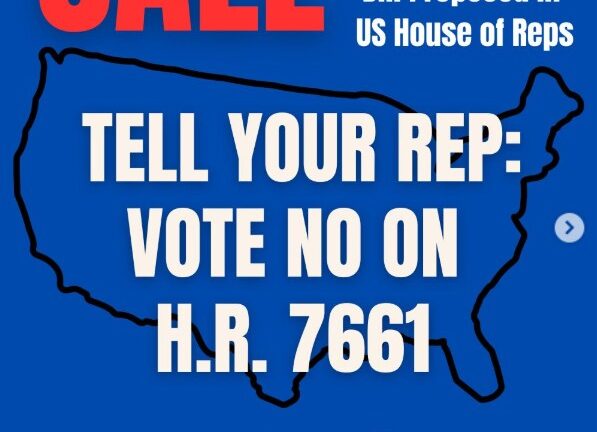
On February 24, 2026, a group of Congressional Republicans introduced H.R. 7661, officially called the “Stop the Sexualization of Children Act.” We know. The name is designed to make anyone who opposes it sound like a villain in a very bad movie. This is intentional.
But here’s what it actually does: This bill would cut federal education funding, yes, the money that keeps school libraries running from any school that provides students with material the bill defines as “sexually oriented.” Sounds reasonable until you read the definition, which includes any material that “involves gender dysphoria or transgenderism.”
Not explicit content. Not anything you’d need to card someone for. Any book that acknowledges a transgender person exists.
So we’re talking about picture books. Middle grade novels. A Pride Month display in a school library. A counselor’s bookshelf. All potentially defunded. All potentially gone.
The bill passed the House Committee on Education and Workforce on March 17. A full floor vote is coming after April 14.
No pressure. But also: some pressure. The good kind.
The People Involved (A Brief Cast of Characters)
Introducing the bill: Representative Mary E. Miller of Illinois, alongside 17 Republican co-sponsors including Chip Roy, Paul Gosar, and Harriet Hageman. These representatives argue that this is about parental rights (Yes this song and dance again) and protecting children from inappropriate content. The bill was introduced the same day President Trump called for a national ban on school gender identity policies in his State of the Union. Timing, as they say, is everything and theirs always feels impeccably timed.
Opposing the bill, loudly: Pretty much every organization that has ever cared about books. Let’s give them a brief round of applause because they deserve it.
The American Library Association called this bill “dangerous”, stating it hands politicians in Washington control over what kids can read in their local schools, which is the exact opposite of local control.
The Authors Guild, representing 17,000 writers, pointed out that the bill’s definitions are broad enough to pull most books written in the last four decades off school shelves.
The American Booksellers Association — our people :)— has been urging independent booksellers to contact their reps. The Comic Book Legal Defense Fund called it unconstitutional and little old me is writing this in hopes it pushes someone into action.
And yes, the ACLU is already watching. More on them in a second.
A Quick History Lesson (I Promise it’s fast :))
Here’s the part where I tell you this isn’t new — and I know, that’s both reassuring and exhausting. But it matters.
The ACLU was founded in 1920 specifically because the government was jailing people for handing out anti-war pamphlets. From day one, their job was to show up when someone in power decided certain ideas were too dangerous for regular people to encounter and openly discuss. They have been doing that job, in the context of books, ever since.
In 1933: they helped win the case that allowed James Joyce’s Ulysses into the country after U.S. Customs decided it was obscene. In the 1950s, they went to court over Henry Miller’s Tropic of Cancer. In 1986, William Faulkner’s As I Lay Dying, from being banned from a Kentucky school. In 2000: Harry Potter, which a Michigan school district decided required parental permission. (I’m not making that up.)
In 2022 and 2023, as book ban attempts hit the highest levels recorded in two decades — over a thousand documented demands to remove books in a single year — the ACLU challenged censorship laws across 10 states. In Virginia, they went to court alongside independent bookstores to fight attempted bans on Gender Queer and A Court of Mist and Fury. They won.
The lesson from a hundred years of this? The books that get targeted first are always the ones that center the people with the least power. LGBTQ+ stories. Books about race. Stories by and about people who have historically been told their experiences don’t belong on shelves.
Sound familiar?
Why “Posting About It” Isn’t Quite Enough (Said With Love)
We are not here to make anyone feel bad. We love a good BookTok. We have been known to spend an embarrassing amount of time on Instagram looking at other people’s bookshelves.
But here’s the honest truth: books do not stay on shelves by accident. They stay on shelves because people like booksellers, librarians, readers, parents, students, and yes, you — show up for them. Right now, “showing up” has a very specific meaning.
A floor vote is coming. Your representative needs to hear from you before it happens. That’s it. That’s the ask.
You don’t have to be an activist. You don’t have to write a speech. You just have to pick up the phone, call (202) 224-3121, tell them you’re a constituent and you oppose H.R. 7661, and hang up. It takes less time than choosing a filter.
And then, if you really want to do something, buy a banned book, hopefully from an indie bookshop. Not because it’s edgy or aesthetic, but because every banned book you put on your shelf is a book that exists in the world in defiance of someone who tried to make it disappear.
We’ve got plenty.
Books We Carry That Someone, Somewhere, Tried to Ban
All of these are available through my shop. Click the title to order. Consider it an act of literary citizenship, a little rebelling and quiet yet loud form of protest.
For Adults
Gender Queer: A Memoir by Maia Kobabe The most challenged book in America for three years running. A graphic memoir about gender identity that is thoughtful, honest, and beautifully drawn — and apparently very scary to people who have not read it. Publisher: Oni Press. ISBN: 9781549304002.
All Boys Aren’t Blue by George M. Johnson A New York Times bestselling essay collection about growing up Black and queer, full of warmth and humor and the kind of storytelling that makes you feel less alone. One of the most frequently challenged books of 2024. Publisher: Farrar, Straus and Giroux. ISBN: 9780374312732.
The Bluest Eye by Toni Morrison Toni Morrison. Banned. Yes, really, and repeatedly. Her debut novel is a cornerstone of American literature and a book that every reader should have the chance to encounter. Publisher: Vintage. ISBN: 9780307278449.
The Perks of Being a Wallflower by Stephen Chbosky Banned in Utah’s public school libraries earlier this year. A novel that generations of teenagers have held like a lifeline. Still just as good. Still very much available here. Publisher: Gallery Books. ISBN: 9781451696196.
Fun Home by Alison Bechdel A graphic memoir that won the National Book Critics Circle Award and has been challenged in schools and libraries across the country. It is about a daughter, her closeted father, and the books that connected them. The irony of banning it is not lost on us. Publisher: Mariner Books. ISBN: 9780618871711.
Speak by Laurie Halse Anderson Challenged for “sexual content” — it is a novel about a teenager surviving sexual assault. That’s not a bug, it’s the point. One of the most important books a young person can read. Publisher: Square Fish/Macmillan. ISBN: 9780312674397.
For Young Readers
Melissa by Alex Gino (Formerly published as George.) A middle grade novel about a transgender girl who wants to play Charlotte in her school’s production of Charlotte’s Web. Sweet, simple, and on challenged book lists more or less constantly since it was published. Publisher: Scholastic. ISBN: 9781338587494.
And Tango Makes Three by Justin Richardson & Peter Parnell A picture book about two male penguins at the Central Park Zoo who raised a chick together. Based on a true story. Has appeared on the ALA’s most challenged list more times than almost any other book in existence. Penguins! Publisher: Simon & Schuster. ISBN: 9781416903451.
The House on Mango Street by Sandra Cisneros A slim, beautiful novel about growing up Latina in Chicago that has been taught in classrooms for decades and challenged in those same classrooms for almost as long. Publisher: Vintage. ISBN: 9780679734772.
Read the Context Too
Fahrenheit 451 by Ray Bradbury It was always about this. Publisher: Simon & Schuster. ISBN: 9781451673319.
How to Defend Books and Why by Danny Caine Written by an indie bookseller in 2026 specifically about how to fight book bans in your community. Practical, readable, and exactly the kind of thing we want on everyone’s nightstand right now. Publisher: Microcosm Publishing. ISBN: 9781648412028.
The Short Version, If You’ve Scrolled This Far
H.R. 7661 is a federal bill that would defund school libraries for carrying books about LGBTQ+ kids. It passed committee on March 17. A floor vote comes after April 14.
Call (202) 224-3121. Say you oppose it. Hang up. Buy a banned book. Tell a friend.
That’s it. That’s the whole thing. Books have survived a hundred years of people trying to make them disappear — but not by accident. They survived because readers showed up.
You’re a reader. We’re glad you’re here. Now let’s go be annoying about it together.
Find your representative: house.gov/representatives/find-your-representative Contact Congress: (202) 224-3121
Sources: Because you should always trust but verify..
Legislation & Government
- H.R. 7661, Stop the Sexualization of Children Act, 119th Congress, introduced February 24, 2026 — full text via GovInfo: https://www.govinfo.gov/app/details/BILLS-119hr7661ih
- Congress.gov bill tracking: https://www.congress.gov/bill/119th-congress/house-bill/7661/text
- GovTrack.us, sponsors and co-sponsors: https://www.govtrack.us/congress/bills/119/hr7661
Library & Bookseller Organizations
- American Library Association, “ALA Denounces Federal Book Banning Bill H.R. 7661,” February 2026: https://www.ala.org/news/2026/02/ala-denounces-HR-7661
- American Library Association, “Dangerous Bill Passes House Committee,” March 17, 2026: https://www.ala.org/news/2026/03/HR7661-passes-house-committee
- American Library Association, Book Ban Data: https://www.ala.org/bbooks/book-ban-data
- American Booksellers Association, Advocacy Update March 25, 2026: https://www.bookweb.org/news/advocacy-update-march-25-2026-1632663
- American Booksellers Association, Banned Books Week resources: https://www.bookweb.org/abfe/banned-books-week
Author & Publishing Organizations
- Authors Guild, “Action Alert: Oppose H.R. 7661”: https://authorsguild.org/news/oppose-hr-7661-the-stop-the-sexualization-of-children-act/
- Comic Book Legal Defense Fund, “A Legal Look at the Book Ban Bill, HR 7661”: https://cbldf.org/2026/03/a-legal-look-at-the-book-ban-bill-hr-7661/
- PEN America, Banned Books List 2026: https://pen.org/banned-books-list-2026/
- PEN America, Banned Books List 2025: https://pen.org/banned-books-list-2025/
Advocacy Organizations
- Unite Against Book Bans, “Oppose H.R. 7661,” March 27, 2026: https://uniteagainstbookbans.org/news/
- Unite Against Book Bans, 2024 Censorship Numbers: https://uniteagainstbookbans.org/2024-book-bans/
- EveryLibrary, Legislation of Concern 2026: https://www.everylibrary.org/billtracking
- ACLU, “Free Speech Under Fire in America’s Schools”: https://www.aclu.org/news/free-speech/free-speech-under-fire-in-americas-schools
- ACLU, “A History of Fighting Censorship”: https://www.aclu.org/documents/history-fighting-censorship
News Coverage
- I Love Libraries, “U.S. Book Challenges Update: March 2026”: https://ilovelibraries.org/article/u-s-book-challenges-update-march-2026-edition/
- Education Week, “States Are Banning Book Bans. Will It Work?” January 8, 2026: https://www.edweek.org/policy-politics/states-are-banning-book-bans-will-it-work/2026/01
- Book Riot, “Four Freedom to Read Bills to Follow Right Now,” February 6, 2026: https://bookriot.com/freedom-to-read-bill-proposals/
- Literary Hub, “Congressional Republicans Have Introduced a Nationwide Book Banning Bill”: https://lithub.com/congressional-republicans-have-introduced-a-nationwide-book-banning-bill/
- The 74 Million, “The ACLU’s Fight Against Classroom Censorship, State By State”: https://www.the74million.org/article/the-aclus-fight-against-classroom-censorship-state-by-state/
Leave a Reply