
Every February, social media fills with incredible book recommendations by Black authors, stories centered on Black characters, and lists celebrating Black voices in literature — and as it should. But I also want to say the quiet part out loud: uplifting Black authors shouldn’t be seasonal. Representation on our shelves deserves to be year-round, not just a once-a-month spotlight.
As a Mexican woman, I’m incredibly proud of my culture and talk about it every chance I get because it’s woven into who I am. And yet, even with that pride, I’ve caught myself not promoting Latine authors as often as I should. So if I’ve fallen short in uplifting my own community at times, then I have to acknowledge that many of us — even within minority spaces — have historically done an imperfect job supporting Black and Indigenous voices in the book world.
This list isn’t a marketing tactic or a “buy from me” pitch. It’s simply accountability and appreciation wrapped into one. I love books, I love stories, and I like to keep things honest around here… since about 1986 or so. 😉
Epic Fantasy Recommendations by Black Authors
If you’re looking to dive into epic fantasy with powerful magic systems, unforgettable characters, and rich cultural inspiration, two series absolutely deserve your attention:
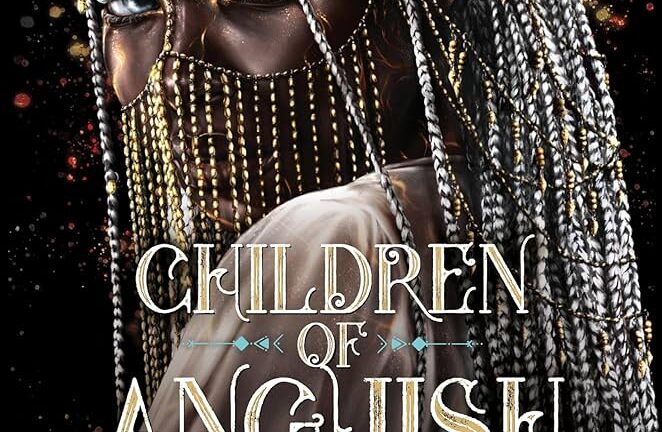
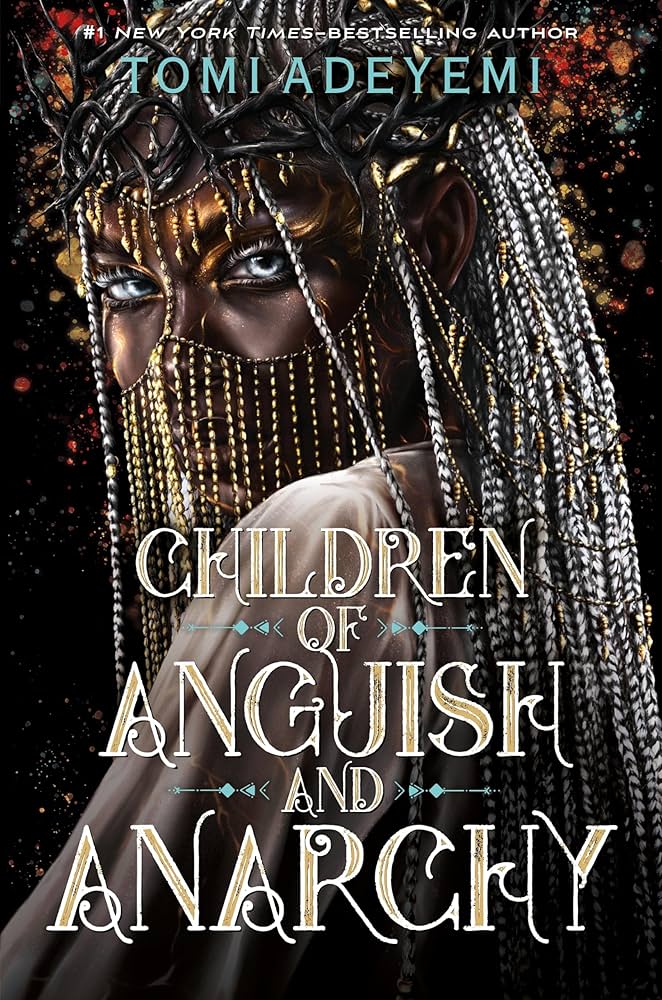
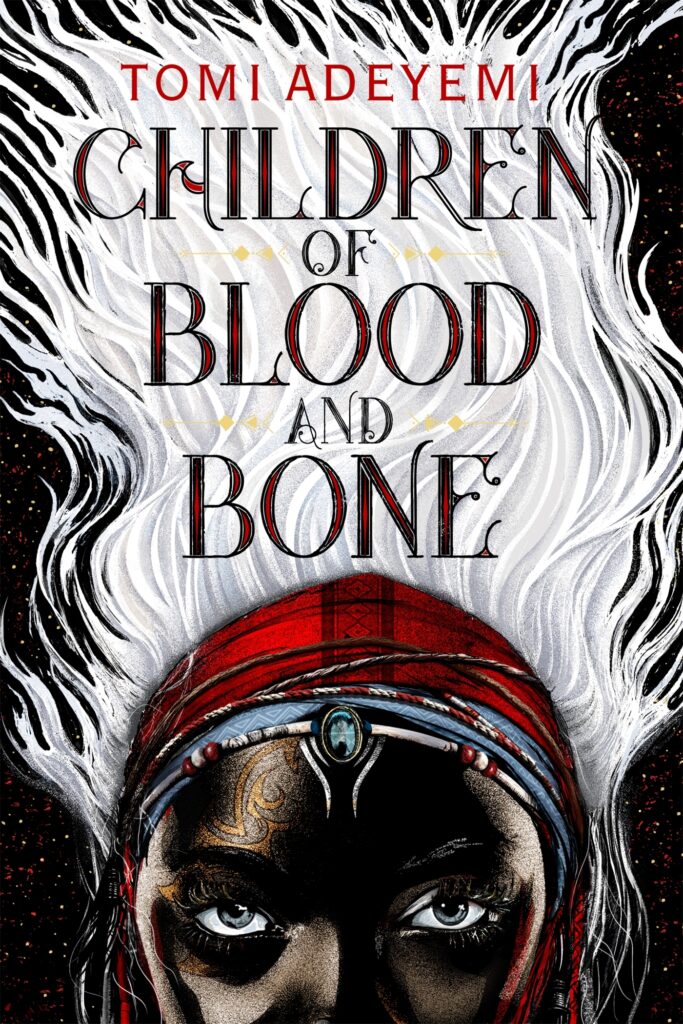
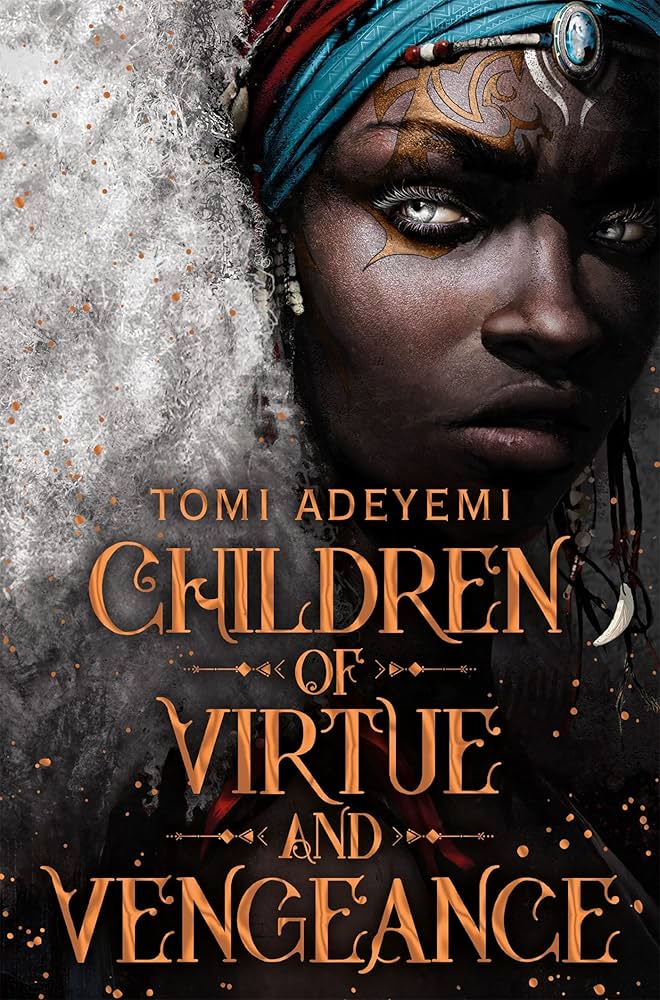
- Children of Blood and Bone by Tomi Adeyemi – A West-African inspired fantasy filled with spiritual magic, political tension, and some of the most cinematic fight scenes I’ve ever read. With a Netflix adaptation in the works, I’m both excited and emotionally preparing myself already.
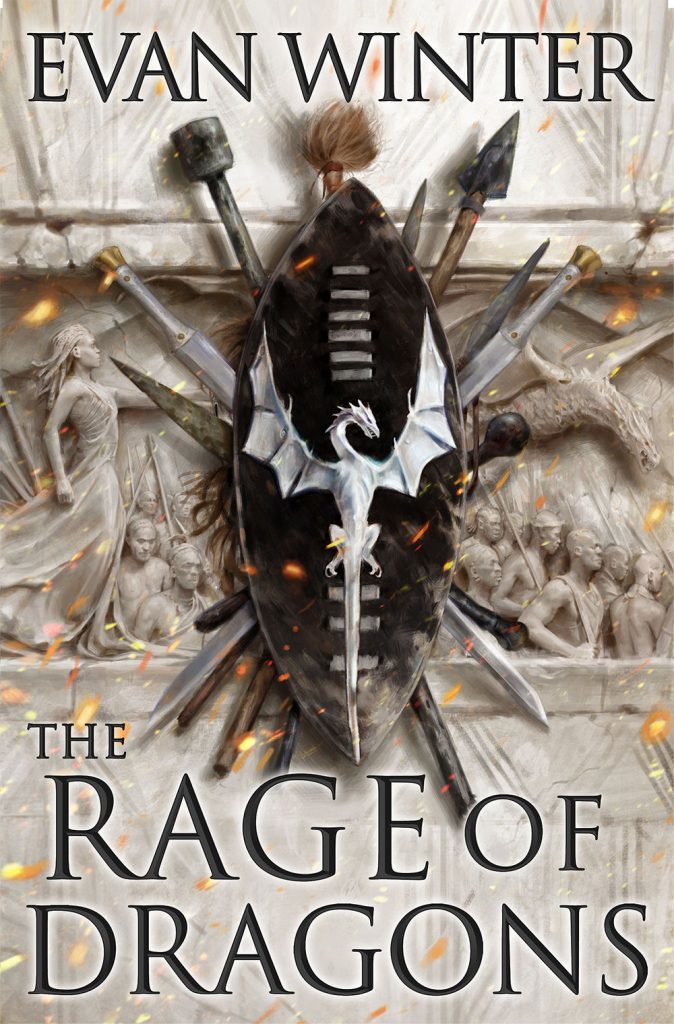
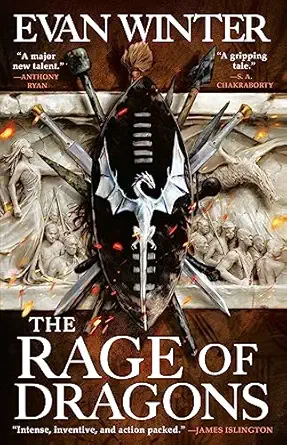
- The Rage of Dragons by Evan Winter – This was one of the first epic fantasies that completely swallowed me whole. After chapter one, I genuinely paused and thought, what did I just discover? The action is relentless, the character growth is fierce, and the emotional stakes are sky-high.
Both series highlight family, duty, sacrifice, and identity — all wrapped in gripping world-building.
Standalone Fantasy (Low Commitment, High Impact)
If you want fantasy without committing to a multi-book saga, pick up:
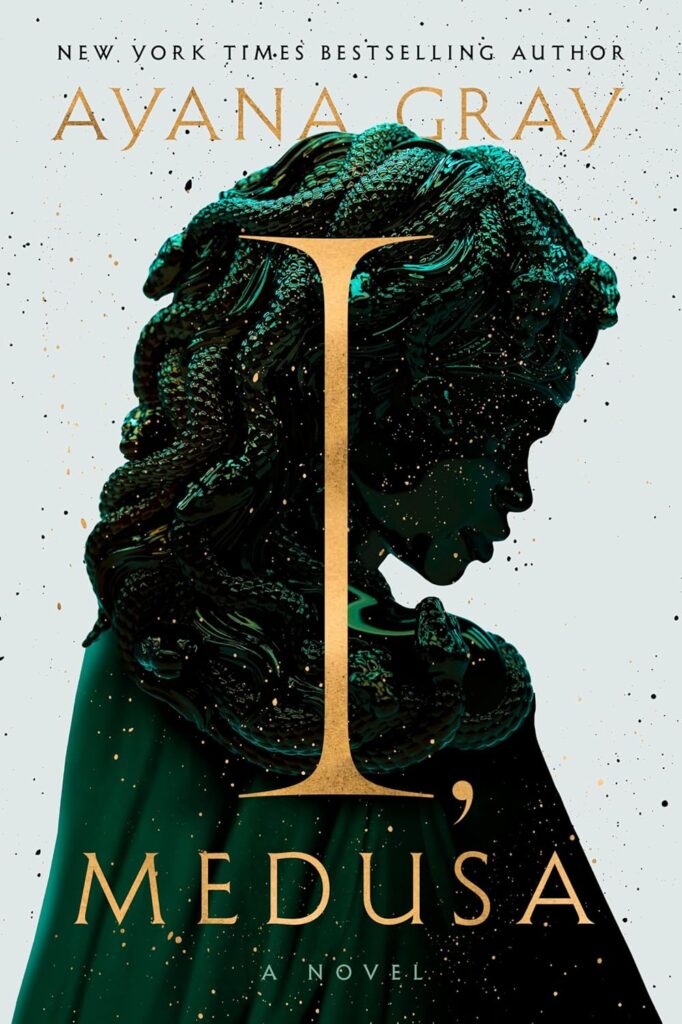
- I, Medusa by Ayana Gray – A retelling of Medusa as a young girl searching for purpose before the curse. This story leans into tragedy, injustice, and identity in a way that will absolutely stir emotions. Prepare to feel things. Possibly loud things.+
Contemporary Romance with Depth
For readers who love romance that balances heat with heart and real-world themes, Kennedy Ryan is an essential author to explore. Her stories center Black women, complex relationships, and emotional growth without ever sacrificing plot.
- Before I Let Go remains a personal favorite — a divorced couple navigating grief, guilt, co-parenting, and rediscovered love. Ryan writes characters who feel real, flawed, and deeply human, with mental health and healing at the forefront.
YA Horror with Bite
Want something darker? YA horror lovers, don’t sleep on:
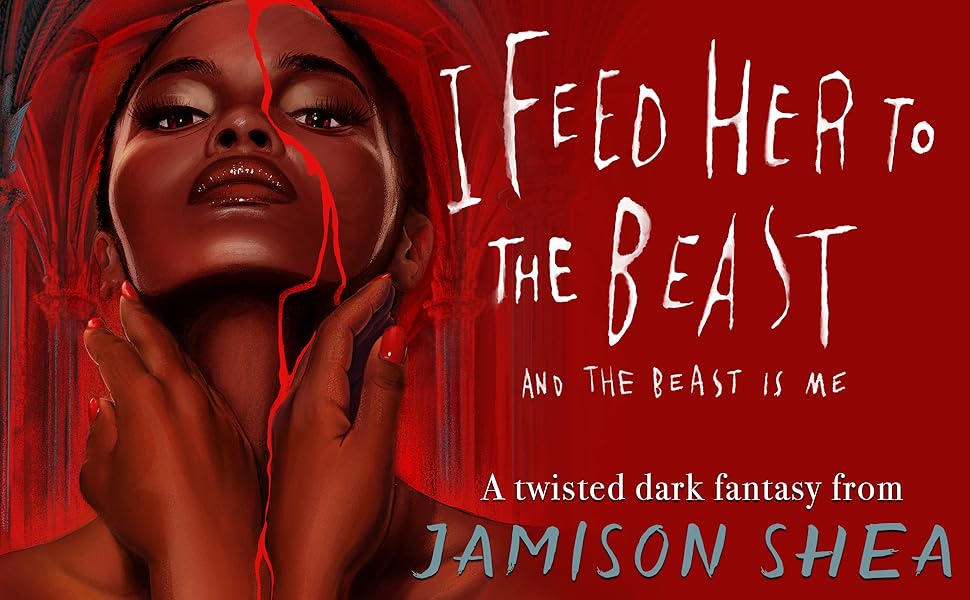
I Feed Her to the Beast and the Beast Is Me by Jamison Shea – An ambitious Black ballerina makes a pact with a primordial creature, and the consequences spiral fast. The novel explores racism, exclusion, ambition, and identity through the lens of ballet and supernatural horror. You’ll be frustrated for the protagonist and at the protagonist — exactly as intended. Bonus: the cover art is stunning.
Non-Fiction & Essays Worth Reading
While nonfiction isn’t always my first genre pick, some voices are so impactful that they extend far beyond personal preference — they become essential reading because of the perspective they offer on history, leadership, and humanity itself.
Kamala Harris represents more than a political title or a moment in time. Her journey reflects resilience, visibility, and the reality of navigating spaces that historically were not built with women — especially women of color — in mind. Reading her work isn’t just about politics; it’s about understanding perseverance, public service, and the lived experience of someone who has had to balance identity with leadership on a global stage. Even for readers who may not share her background or her views, her story offers insight into systems, decision-making, and representation that shape everyday life whether we realize it or not.
Octavia Butler, on the other hand, reminds us that nonfiction doesn’t always need to be a memoir or biography to be transformative. Her essays and reflections feel almost prophetic because they examine patterns in society, human behavior, and adaptation. Butler had a way of asking uncomfortable questions about power, responsibility, and survival — not to alarm readers, but to challenge them to think critically and compassionately. Her work is important not only because she was a brilliant Black writer, but because she explored universal themes that cross every cultural boundary: fear of change, hope for progress, and the consequences of ignoring history.
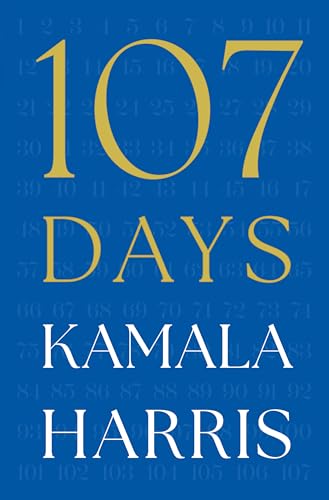
- 107 Days by Kamala Harris – Offers insight into political leadership and personal resilience from one of the most visible women in modern American politics.
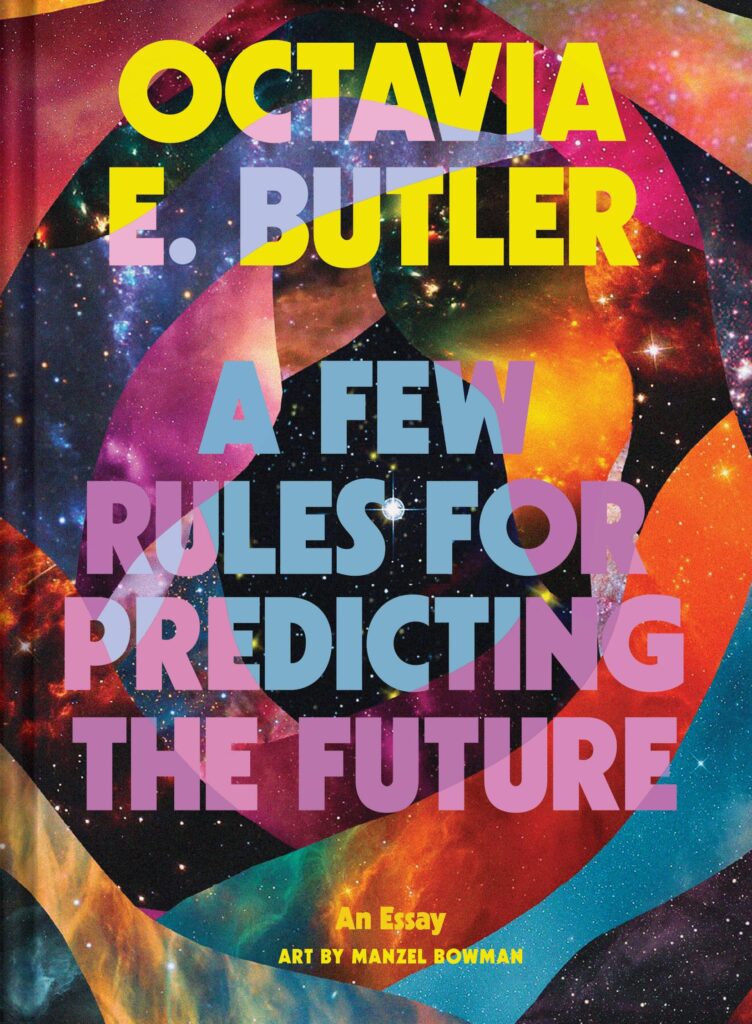
- “A Few Rules for Predicting the Future” by Octavia Butler – A short but powerful essay reflecting on preparedness, adaptability, and the human condition. Butler’s words feel eerily timeless.
Black nonfiction voices matter to all readers because they expand the lens through which we see the world. Stories and essays written from Black perspectives don’t exist in isolation; they intersect with economics, politics, science, art, and daily life. When non-Black readers engage with these works, it isn’t about “studying someone else’s experience”; it’s about gaining a fuller understanding of the society we all move through together.
Reading outside our own lived experience builds empathy, yes, but it also builds context. It helps us recognize patterns, understand systems, and see how policies, culture, and history ripple outward to affect everyone, not just one community. Black stories are not niche stories. They are human stories, societal stories, and often cautionary or visionary tales that help all of us think more critically about where we’ve been and where we’re going.
In the same way we read authors from different countries or eras to broaden our worldview, engaging with Black nonfiction and literature strengthens our ability to listen, question, and grow. It’s not about obligation, it’s about opportunity. An opportunity to understand voices that have always been present, always been insightful, and always been shaping culture, whether they were centered in the spotlight or not.
There are so many brilliant Black authors and stories that teach us empathy, history, imagination, and resilience. This list could easily be ten times longer, and honestly, I hope it keeps growing for all of us. I’m excited for the new voices I’ll discover this month — but even more excited to keep sharing them long after February ends.
Until next time, happy reading. 📚✨
Leave a Reply